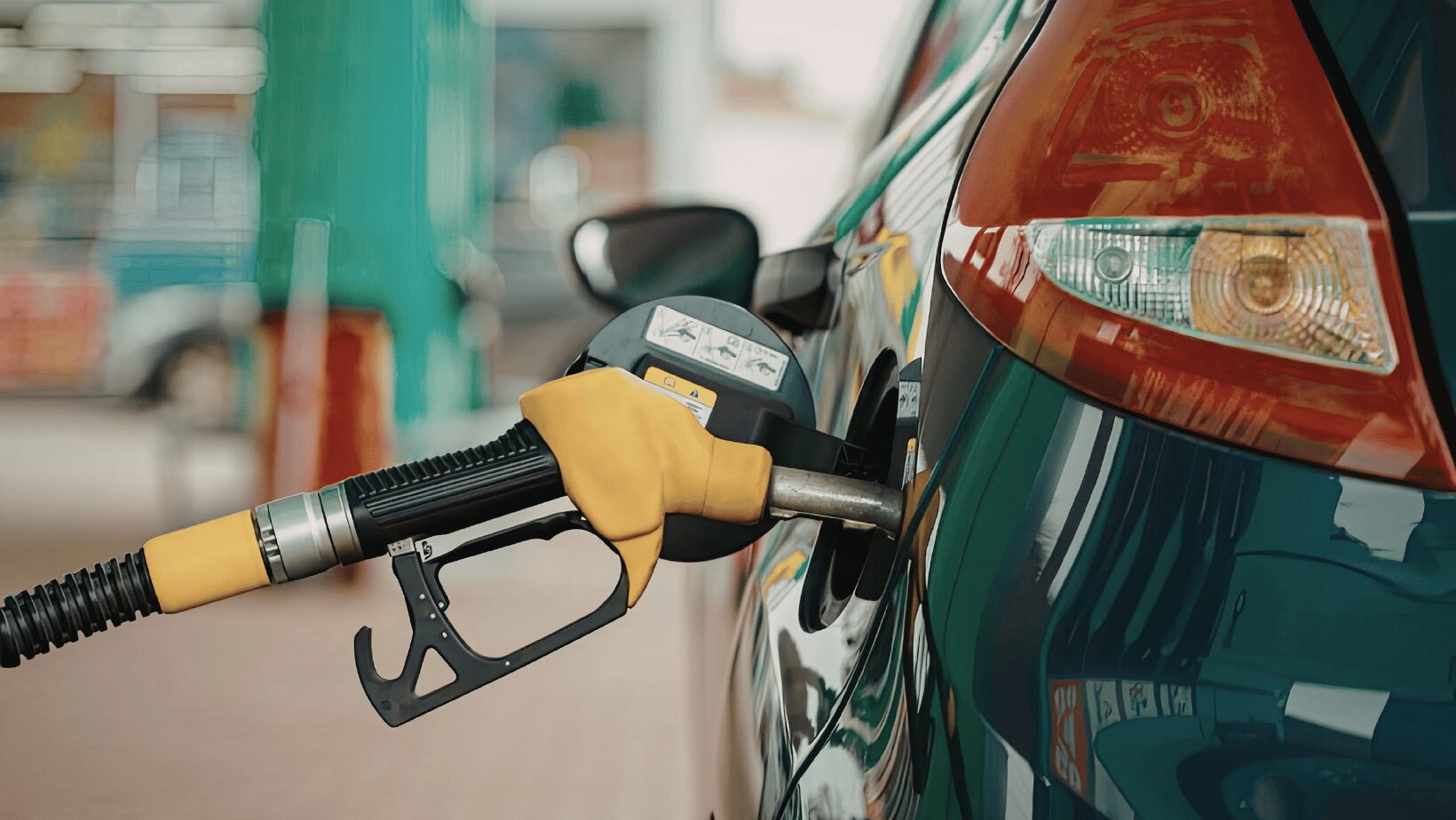
When renting a car in Zakynthos, most travellers focus on the vehicle category, rental price, insurance, and pickup location, but there is another detail that deserves attention before you start your holiday: the fuel policy. Different car rental companies can use different fuel policies, and understanding the difference can help you avoid unexpected charges when you return the vehicle. Among the most common options are full-to-full and same-to-same, two systems that sound similar but are not necessarily identical in practice. Knowing which policy applies to your rental allows you to plan your fuel stops more easily and understand exactly what is expected at the end of your rental period.
For visitors exploring Zakynthos by car, this can be particularly useful because a rental vehicle can take you from the airport or resort areas to beaches, mountain villages, viewpoints and other parts of the island throughout the day. The amount of fuel you use will naturally depend on how much you drive, so the final refuelling stop should be part of your itinerary rather than something you leave until the last minute. At Top Rentals, our fuel policy is clearly defined as same-to-same, meaning that the vehicle should be returned with the same fuel level it had when you picked it up. This straightforward approach is part of the company’s rental conditions and helps you understand from the beginning how fuel will be handled.
1. What are car rental fuel policies in Zakynthos?
A car rental fuel policy explains how fuel is handled between the moment you collect a vehicle and the moment you return it. Because the vehicle may not have the same amount of fuel when every customer picks it up, rental companies need a clear system for establishing what level should be present at return. Some companies require the vehicle to be returned with a completely full tank, while others require the same fuel level that was recorded at pickup. These different fuel policies can affect what you need to do before returning the car, so it is worth checking the conditions before you begin your journey.
The important point is that a fuel policy is not the same as the amount of fuel included in your rental price. In most standard rental arrangements, the customer pays for the fuel they actually use during their journey, while the rental company’s policy determines how the fuel level should be handled when the vehicle is returned. If the car is returned below the required level, we may need to refuel it and apply the relevant charge according to our terms. Understanding the fuel policies before signing or confirming a rental therefore makes it easier to budget for your trip and avoid confusion at the end of your holiday.
2. Full-to-full vs. same-to-same: What is the difference?
The full-to-full system is one of the most familiar fuel policies used by car rental companies. Under a full-to-full arrangement, the customer normally receives the vehicle with a full tank and is expected to return it with a full tank as well. This means that you are responsible for replacing the fuel you use during the rental, usually by making a final visit to a petrol station before returning the car. If the vehicle is returned with a lower fuel level, the rental company can charge for the missing fuel and, depending on its terms, an additional refuelling fee. The exact conditions can vary between companies, which is why the policy should always be checked for the specific rental.
Same-to-same works according to the same basic principle of replacing the fuel you use, but the reference point is the actual fuel level at pickup rather than necessarily a full tank. If the vehicle is provided with a half tank, for example, the customer is expected to return it with approximately the same level, rather than filling the entire tank before returning it. This can make same-to-same one of the more straightforward fuel policies for travellers because you only need to replace the amount of fuel used during your rental. However, the exact procedure and consequences of returning the vehicle below the original level depend on the individual rental company’s terms and conditions.
3. How does the same-to-same policy work at Top Rentals?
At Top Rentals, our policy is clearly stated in our FAQs section and in our Terms & Conditions. This means that when you collect your rental vehicle, the fuel level becomes the reference point for the return, so you should check it before beginning your journey. If the vehicle starts with a particular level, you should plan your final fuel stop so that the gauge is back at the same level when you return the vehicle.
The system is designed to keep the fuel calculation connected to the amount of fuel used during your rental rather than requiring every customer to return the vehicle with a completely full tank. This is especially useful when your rental begins with a fuel level that is below full, because you are not expected to purchase a completely full tank simply because you are returning the vehicle. Instead, the goal is to restore the vehicle to the level it had when you received it. Among the different fuel policies available in the car rental industry, this makes same-to-same particularly easy to understand when the starting fuel level is clearly checked and recorded.
4. What happens if you return the vehicle with less fuel?
The most important part of our fuel policy at Top Rentals is what happens when you return your vehicle below its original fuel level. According to our FAQs, if you return your vehicle with less fuel than it had at pickup, you will be charged for the missing fuel plus our refuelling service fee. The same requirement is outlined in our Terms & Conditions, which state that you must return the vehicle with the same fuel level as provided, or missing fuel will be charged alongside the applicable refuelling service fee.

This is why you shouldn’t overlook your final fuel stop when planning your Zakynthos itinerary. If you are returning your vehicle to the airport, for example, we recommend allowing enough time for a fuel stop before reaching your agreed drop-off point, rather than assuming you can refuel at the last possible moment. A little preparation helps you return your vehicle at the correct level and avoid our additional refuelling service fee. As with all our fuel policies, the simplest way to avoid unnecessary charges is to understand our rules from the start and include that final fuel stop in your travel plans.
5. Why checking the fuel level at pickup matters
The first step in following the same-to-same policy is knowing exactly how much fuel is in the vehicle when you collect it. Before leaving our pickup location, take a moment to check the fuel gauge and make sure you know the starting level that applies to your rental. This is particularly important because the same-to-same system uses the starting level as the reference point for the return, so a small difference at the beginning can affect what is expected at the end. Taking a few seconds to pay attention to the fuel gauge can therefore make the entire rental process easier.
It is also useful to make the fuel level part of your general pickup routine, alongside checking the vehicle’s condition and familiarising yourself with the controls. If you are collecting a car at Zakynthos International Airport, for example, you can check the fuel level before beginning your journey into Zakynthos, while customers collecting in Laganas can do the same before setting off towards their accommodation or first destination. Clear communication at pickup is one of the simplest ways to make different fuel policies easier to manage, particularly when you are travelling in an unfamiliar country.
6. Planning your fuel stops around Zakynthos
Zakynthos is compact enough to explore comfortably by rental car, but a holiday involving several beaches, villages and scenic routes can quickly add up to many kilometres of driving. If you are planning to explore different parts of the island every day, keeping an eye on your fuel level is therefore a sensible part of your travel routine. Instead of waiting until the fuel warning appears, you can include a petrol station stop when passing through a larger town or another convenient area. This approach gives you greater flexibility and reduces the chance of having to interrupt your itinerary at an inconvenient moment.

Fuel planning is particularly useful on days when you are travelling towards quieter areas of the island, where there may be fewer services immediately around your destination. If your itinerary includes mountain roads, remote beaches or several scenic stops, start the day with enough fuel for the planned route and consider where you can refuel before returning. The same-to-same system does not require you to calculate exactly how many litres you have used, because the practical objective is simply to return the vehicle at the same gauge level as when you collected it. By including fuel in your daily planning, you can enjoy your Zakynthos road trip without turning the final return into a stressful last-minute task.
7. Top Rentals locations and opening hours
Another useful detail to consider when planning your rental is where you will collect and return the vehicle. We have two locations in Zakynthos: the main office on Laganas Main Road and a second office at Zakynthos International Airport (ZTH). Customers can pick up and drop off their vehicle at either location, which gives you flexibility when organising your arrival, accommodation and departure plans.

The standard opening hours at both locations are 08:00-21:00, while pickup or delivery outside these hours can be arranged for an additional out-of-hours fee. We also allow customers to collect the vehicle at one location and return it at the other by selecting the preferred pickup and drop-off points during the reservation process. This flexibility can be useful when combined with the company’s fuel policies, because you can plan your final refuelling stop according to your return location rather than having to follow the exact route you used when collecting the car.
8. How clear fuel policies ensure a smoother car rental experience
Understanding fuel policies is only one part of making your car rental experience easier, but it is one of the details that can be handled before your holiday even begins. When comparing rental offers, look beyond the advertised daily price and check what each provider says about fuel, insurance, additional fees, mileage, and vehicle return conditions. A clearly stated fuel policy means you know what is expected from the beginning, while checking the other rental conditions helps you avoid surprises later. This is especially valuable when you are comparing several car rental companies in Zakynthos and trying to understand which offer actually suits your trip.
At Top Rentals, we provide our rental information through our website and explain the same-to-same fuel policy directly in our FAQ section. If you want to find out more, you can visit the FAQs section on our website, where you will certainly find even more useful information about renting a car in Zakynthos. The FAQ covers not only fuel policies, but also pickup and return locations, opening hours, vehicles, insurance, payments, additional charges, and other practical questions that can help you prepare for your rental.
9. Common mistakes to avoid with fuel policies
One of the most common mistakes travellers make with fuel policies is assuming that every rental company uses a full-to-full system. Because this is a familiar arrangement, some customers may automatically expect to collect a car with a full tank and return it full, even when the rental company follows a different policy. With a same-to-same policy, however, the starting fuel level is the reference point, so filling the entire tank before returning the vehicle may mean buying more fuel than necessary. Checking the fuel policy before collecting your vehicle is therefore a simple step that can prevent unnecessary costs and confusion.
Another frequent mistake is leaving the final refuelling stop until the very last moment. When you are travelling to the airport or another agreed drop-off location, unexpected traffic, navigation changes or a busy petrol station can make a last-minute fuel stop more stressful than expected. This is particularly important when following fuel policies that require the vehicle to be returned at a specific fuel level, because returning below that level can result in additional charges. At Top Rentals, returning the vehicle with less fuel than at pickup means that the missing fuel is charged together with a refuelling service fee, so planning ahead is the easiest way to avoid this situation.
A third mistake is forgetting to check the fuel gauge when collecting the vehicle. If you do not know the starting level, it becomes much harder to plan how much fuel you need to replace before returning the car, especially when you have several days of driving ahead of you. The fuel level should therefore be part of your normal pickup check, alongside the vehicle’s general condition and the documents related to your rental. When fuel policies are understood from the beginning, the return process becomes much simpler because you already know what level you need to reach.
10. Quick checklist for managing fuel policies in Zakynthos
Before and during your rental, keep these simple points in mind to make following fuel policies easier:
- Check the fuel level at pickup. Make sure you know the starting fuel level before driving away with your rental vehicle.
- Know which fuel policy applies. Do not assume that every rental company uses a full-to-full system, because policies can differ.
- With Top Rentals, follow the same-to-same policy. Return the vehicle with the same fuel level as at pickup.
- Plan your fuel stops in advance. If you are exploring several parts of Zakynthos, keep an eye on the fuel gauge throughout your trip.
- Do not leave refuelling until the last minute. Allow enough time for a petrol station stop before reaching your agreed drop-off location.
- Remember the refuelling service fee. At Top Rentals, returning the vehicle with less fuel means being charged for the missing fuel plus the refuelling service fee.
- Check your return location. If you are returning the vehicle at Zakynthos International Airport, plan your final fuel stop according to your route to the airport.
- Read the rental conditions. Fuel is only one part of the rental agreement, so check the company’s other conditions before starting your journey.
- Use the FAQs section for additional information. The Top Rentals FAQs provide useful answers about fuel policies, vehicles, pickup and return locations, payments and other aspects of renting a car in Zakynthos.
At Top Rentals, the policy is simple: return the vehicle with the same fuel level as at pickup, while returning it with less fuel means being charged for the missing fuel plus the applicable refuelling service fee. Once you understand this rule, planning your fuel stops becomes a straightforward part of your Zakynthos road trip, whether you are collecting your vehicle in Laganas or at Zakynthos International Airport.