Picking up a rental vehicle is usually the moment when your holiday finally begins. You have arrived in Zakynthos, collected your luggage, and are ready to leave the airport or rental office and start exploring the island. However, before putting the vehicle into gear, it is worth taking a few extra minutes to inspect and photograph your rental car. A quick and organised inspection can help you understand the vehicle’s condition, identify anything that should be reported, and start your journey with greater confidence.
Knowing how to inspect and photograph your rental car does not mean looking for problems or expecting something to go wrong. It is simply a practical way to document the condition of the vehicle at the beginning of your rental, especially if you notice a mark, scratch, or other visible issue. At Top Rentals, the vehicle must be returned in the same condition in which it was received, excluding normal wear resulting from proper and lawful use, so understanding its initial condition is important.

The best inspection is not necessarily the longest one. Instead, it should be systematic, focused, and completed before you start driving, because once you leave the pickup location, you have already begun using the vehicle. In this guide, we explain how to inspect and photograph your rental car efficiently, what areas deserve particular attention, what you should document, and how our protection and assistance options fit into the process.
1. Why you should inspect your rental vehicle before driving
A rental vehicle may look perfectly fine when you first approach it, particularly if you are excited to start your holiday. However, small scratches, marks on the wheels, or minor dents can be easy to overlook when you are standing beside the vehicle with your luggage and travel companions waiting to leave. Taking a few minutes to walk around the vehicle gives you the opportunity to look at it carefully rather than relying only on a quick glance. This is why learning how to inspect and photograph your rental car should be part of your normal pickup routine.
The purpose of the inspection is not to turn a simple rental into a complicated process. Instead, it creates a clear record of what the vehicle looked like when you received it, while also giving you an opportunity to raise anything that appears unclear before beginning your journey. Top Rentals’ Terms & Conditions state that the vehicle should be returned in the same condition in which it was received, apart from normal wear caused by proper and lawful use. This makes an initial inspection a sensible habit for any responsible renter.

A good inspection also helps you become familiar with the vehicle itself. While walking around it, you can check where the fuel filler is located, notice the condition of the tyres and glass, and make sure you understand the basic controls before joining the road. This is particularly useful if you have rented a vehicle that is different from the one you normally drive. Once you have completed the inspection, you can leave the pickup location knowing that you have taken a few simple steps to make the rental experience more organised.
2. How to inspect and photograph your rental car efficiently
The easiest way to inspect and photograph your rental car is to follow the same order every time instead of taking random photographs. Start at the front of the vehicle, move along one side, continue around the rear, and finish with the other side, while looking closely at the visible bodywork. Then move inside the vehicle and photograph the dashboard, fuel gauge, and any relevant controls or visible interior marks. A consistent sequence makes it much less likely that you will forget an important area.
Your photographs should be clear enough to show what you are documenting, rather than simply creating a large collection of almost identical images. Take wider photographs that show the position of a mark on the vehicle, followed by closer images when a scratch, dent or other detail needs to be seen more clearly. Good daylight is helpful because shadows can hide small imperfections, while reflections from strong sunlight can sometimes make them harder to see. If possible, keep the original photographs on your phone until the rental has been completed and the vehicle has been returned.
It is also useful to take a short video of the vehicle as you walk around it. A continuous exterior video can provide additional context because it shows the vehicle from several angles in one sequence, while individual photographs can then be used for specific details. You do not need professional equipment or a special application, because a modern smartphone is generally enough for this type of documentation. The important thing is that the images are clear, dated, and taken before you start your journey.
3. Start with the exterior: bodywork, wheels and glass
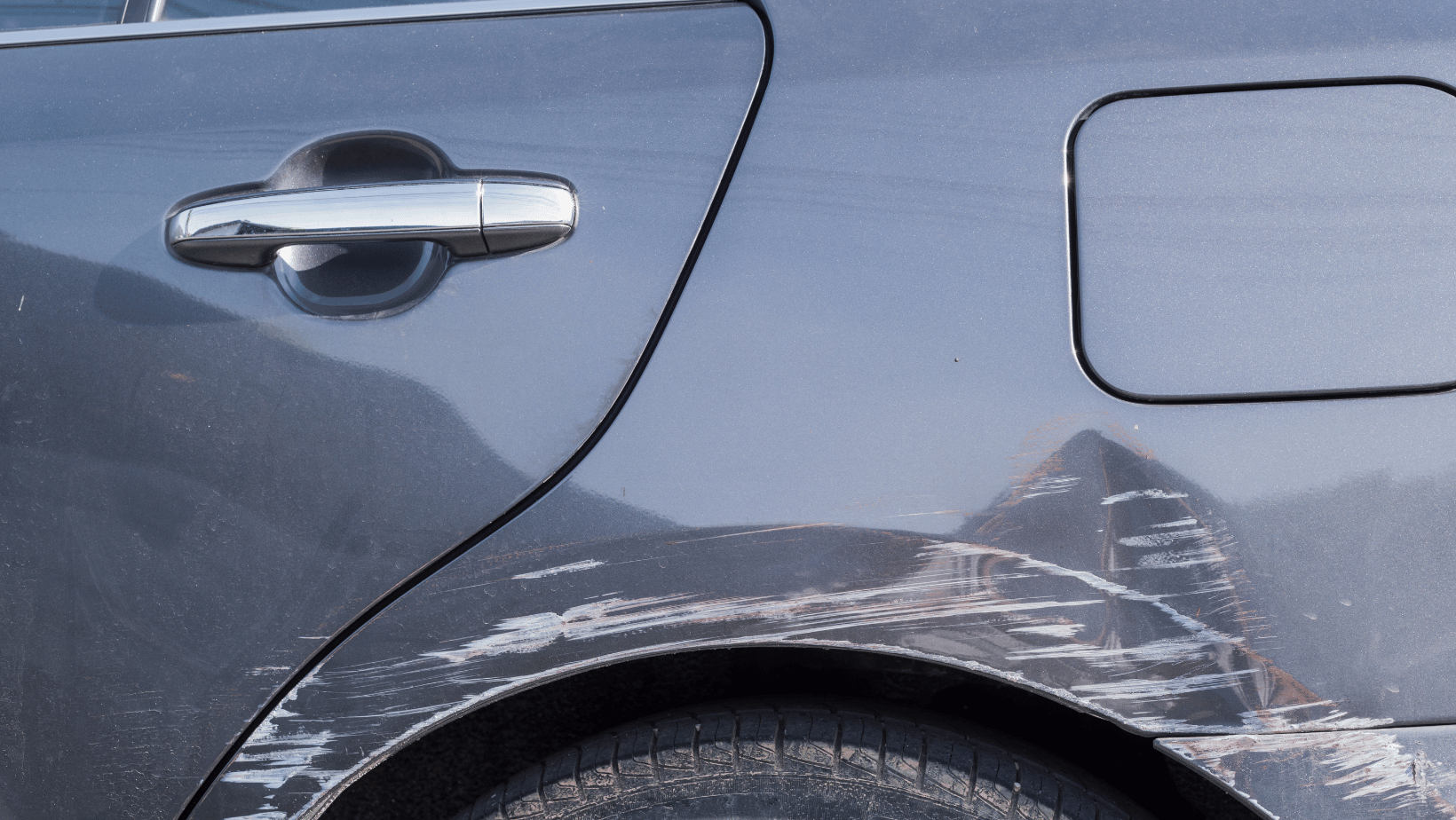
The exterior should be the first area you inspect and photograph because this is where visible damage is easiest to identify. Walk slowly around the vehicle and look at the bumpers, doors, bonnet, boot, side panels and mirrors, paying attention to scratches, dents, scuffs and marks that may not be immediately obvious. Look at the vehicle from several angles rather than standing in one position, because the way light reflects from the paint can make certain marks easier to notice. If you find something that you believe should be documented, photograph both the wider area and the detail.
Do not stop with the painted bodywork, because the wheels, tyres, windows, windscreen and mirrors are also important parts of the inspection. Look for visible damage or unusual marks and make sure that anything you notice is brought to the rental company’s attention before you leave. Under Top Rentals’ current protection terms, different protection packages cover different parts of the vehicle, so it is important not to assume that every type of damage is treated in the same way. For example, CDW for cars applies to bodywork damage, while Premium FDW for cars extends protection to wheels, tyres, glass and mirrors, subject to the applicable terms and exclusions.
This is one reason why it is useful to inspect and photograph your rental car rather than relying on memory. A photograph of a scratch on a door is much more useful later than simply remembering that “there was something there”. If a visible mark is already present, make sure it is properly recorded according to the rental company’s procedure before driving away. Your photographs are an additional personal record, while the rental agreement, inspection documentation and Top Rentals’ Terms & Conditions remain the relevant contractual references.
4. Check the interior before you leave
Once you have completed the exterior inspection, take a few minutes to look inside the vehicle. Check the seats, dashboard, doors, floor area, boot and other visible surfaces for stains, tears, burns, unusual damage or anything that appears different from normal wear. This is particularly useful if you are travelling with children, luggage or beach equipment, because keeping the interior in good condition throughout the rental is part of responsible vehicle use. Top Rentals’ terms specify that excessive dirt, sand, pet hair, stains, burns or strong odours can result in cleaning charges.
Your photographs do not need to document every square centimetre of the interior. Instead, concentrate on anything unusual that is already visible when you receive the vehicle, as well as the general condition of the seats, dashboard and boot area. If you notice a mark or other issue, photograph it clearly and raise it with the rental team before departure rather than assuming that it will not matter. This small step can make the condition of the vehicle much easier to understand later.
The interior inspection is also a good opportunity to make sure that you have everything you need before starting your journey. Check that the keys, required documents, and any requested accessories are present, and if you have reserved a child seat, make sure it is securely installed before driving. Top Rentals makes child seats available on request, but the renter remains responsible for checking that the seat is suitable, correctly installed, and securely fastened before use.
5. Photograph the dashboard and fuel level
The dashboard deserves its own photograph because it can document several useful details at the same time. Before leaving, photograph the instrument panel so that the fuel level and visible warning lights are recorded, while also taking a moment to understand the basic controls. This is especially useful if you are unfamiliar with the vehicle, because the dashboard gives you important information before you begin driving. Taking the photograph while the vehicle is stationary also means you are not trying to use your phone once you are already on the road.
The fuel level is particularly important because at Top Rentals, we use a same-to-same fuel policy. The vehicle should be returned with the same fuel level it had at pickup, while returning it with less fuel can result in a charge for the missing fuel plus the applicable refuelling service fee. A quick photograph of the fuel gauge at pickup therefore gives you a useful personal reference when planning your final fuel stop.
You should also pay attention to warning lights before starting the journey. If a warning light or other dashboard warning appears, do not simply photograph it and continue driving as though nothing happened. Our Terms & Conditions specifically require the renter to stop and contact the company in the event of a warning-light event, mechanical issue, overheating warning, puncture, or another indication that the vehicle should be stopped or checked. Continuing to drive after a warning light or mechanical problem can affect applicable protection and may make the renter responsible for resulting damage.
6. What to do if you notice existing damage
Finding an existing scratch or dent does not automatically mean that there is a problem with your rental. Rental vehicles are used by many travellers, and normal signs of use can occur over time, which is why the important thing is to establish what condition the vehicle was in when you received it. If you notice something that is not clearly documented or that you are unsure about, the safest approach is to show it to the Top Rentals team before leaving. This gives everyone the opportunity to clarify the situation while the vehicle is still at the pickup location.
This is where the combination of inspection and photography becomes particularly useful. When you inspect and photograph your rental car before departure, you create a simple visual record that complements the company’s own documentation. Take a clear photograph of the entire panel or area first, followed by a close-up of the mark, so that its location and appearance can be understood. If necessary, keep a short video of the whole vehicle as an additional reference.
However, photographs should not be treated as a replacement for reporting an issue. Top Rentals’ Terms & Conditions require renters to notify the company immediately in the event of an accident, collision, theft, fire, damage, mechanical issue, or warning-light event, and the renter must follow the company’s instructions. In the event of an accident, the terms also require the relevant authorities to be contacted and an official Police Accident Report and Accident Care Report to be obtained.
For this reason, the best routine is simple: inspect the vehicle, photograph anything relevant, ask about anything unclear and then begin your journey once you are satisfied that the pickup process is complete. This takes only a few minutes, but it can make the rest of your rental much more straightforward. If you want to learn more about avoiding common problems when renting in Zakynthos, you can also read our article Common car rental mistakes tourists make in Zakynthos and how to avoid them in 2026.
7. Understanding insurance before your Zakynthos road trip
Knowing how to inspect and photograph your rental car is only one part of preparing for a responsible rental. It is equally important to understand what protection is included in your booking and what remains your responsibility, because insurance and damage waivers are not interchangeable. Top Rentals’ current Terms & Conditions state that the level of protection depends on the vehicle type, the selected protection package and compliance with the rental contract and applicable terms.
For cars, the Basic Package includes Third Party Liability Insurance, Personal Accident Insurance and 24/7 roadside and telephone assistance, but no damage waiver applies under the Basic Package. The Standard Package includes Collision Damage Waiver, Theft Protection and Fire Protection, with the applicable excess depending on the vehicle category, while the Premium Package includes Full Damage Waiver and reduces the applicable excess for covered damage to €0, subject to the terms and exclusions.
Scooters and ATVs have their own protection structure, with Basic, Standard and Premium options and different excess levels. CDW does not automatically cover every part of every vehicle, so renters should read the relevant package before assuming that wheels, tyres, glass, mirrors or mechanical components are protected. The current terms specifically explain which components are included and excluded under each protection option.

This is why a careful pickup routine works best when combined with a clear understanding of the rental agreement. Before you inspect and photograph your rental car, you do not need to become an insurance expert, but you should know what protection you selected and what responsibilities come with it. For a more detailed explanation, you can read our article 14 smart steps to rent a car in Zakynthos: Affordable booking, price hacks & must-know insurance, or visit the Top Rentals insurance information before your trip.
8. Safety comes before the perfect photograph
A good inspection should always take place while the vehicle is stationary and in a safe position. Never step into the road to take a better photograph, and never use your phone while driving because you want to document something you missed at pickup. If you notice a problem after you have already left, find a safe place to stop before taking photographs or contacting the rental company. This simple rule keeps the purpose of the inspection where it belongs: supporting a safe start to your journey.
The same principle applies when you begin exploring Zakynthos. The island offers winding roads, villages, coastal routes and mountain areas, so adapting your speed and driving style to the road is more important than trying to reach every destination as quickly as possible. If you want a more complete explanation of local road etiquette and safe driving, read our article Zakynthos traffic rules: The complete driver’s guide to local laws, road etiquette and safe driving in 2026. A few minutes spent preparing the vehicle should lead to a calm and responsible journey, rather than becoming another reason to rush.

Safety also means respecting the limits of the rental vehicle. Top Rentals’ current Terms & Conditions prohibit off-road use and the use of vehicles on unpaved, unsealed, rough, rocky, flooded, beach, forest, mountain, agricultural, or dirt roads. These restrictions apply because using a rental vehicle on prohibited surfaces can create additional risks and may void applicable insurance or protection coverage, potentially leaving the renter fully liable for resulting costs.
That rule is important whether you choose a car, motorbike or ATV. An ATV may look like a natural choice for an adventurous island holiday, but renting an ATV does not mean that you are authorised to take it onto every visible dirt track or rough mountain path. The safest approach is to stay on suitable permitted roads and follow the rental conditions throughout the journey. If you are considering an ATV, you can also read our 5 ATV rental rules: licensing and safety for exploring off-road, while keeping in mind that our Terms & Conditions are the final reference for permitted use.
9. Top Rentals: support beyond the vehicle pickup
A careful inspection is reassuring, but it is also useful to know that support does not end when you leave the rental location. Top Rentals includes 24/7 roadside and telephone assistance with its rental packages, and the current terms provide for assistance in genuine mechanical breakdowns and accidents that are not caused by the renter’s fault. If a vehicle becomes unusable because of a mechanical breakdown or accident, Top Rentals states that it will make reasonable efforts to provide a replacement vehicle, subject to availability and compliance with the rental terms.
The correct response to a problem is therefore to contact the company rather than trying to repair the vehicle yourself or continuing to drive when the vehicle should be stopped. In the event of an accident, the renter must notify Top Rentals immediately, follow the company’s instructions and contact the relevant authorities where required. The same principle applies to a warning light or mechanical problem, because continuing to drive after a problem appears can increase the damage and affect applicable protection.
This combination of preparation and support is what makes a rental experience more straightforward. You begin by taking responsibility for the vehicle through a careful inspection, continue by driving it lawfully and responsibly, and know who to contact if something unexpected happens. Top Rentals’ fleet includes cars, motorbikes, and ATVs, so travellers can choose the type of vehicle that best fits their itinerary while following the same basic principle: understand the vehicle, respect the road, and ask for assistance when necessary.
10. Top Rentals locations and a smooth vehicle pickup
Top Rentals has two rental locations in Zakynthos: the main office on Laganas Main Road and a second office at Zakynthos International Airport (ZTH). Customers can pick up and drop off their vehicle at either location, which makes it possible to organise the rental around their arrival and departure plans. The company also offers vehicle delivery across Zakynthos to hotels, villas, apartments and other accommodation locations.
The offices are open during standard business hours from 08:00 to 21:00, while vehicle pickup or delivery outside these hours is available for an additional out-of-hours fee. Having this flexibility can make the initial inspection easier because you can organise the pickup around your actual travel schedule instead of rushing through the process. Once you arrive, take the time to inspect and photograph your rental car before setting off, even if you are eager to reach your hotel or begin your first island drive.
A few organised minutes at pickup can make a significant difference to the rest of your rental. Walk around the vehicle, photograph the relevant areas, check the interior, record the dashboard and fuel level, and ask the team about anything that is unclear before leaving. Once everything is understood, you can start your Zakynthos road trip with a clearer idea of the vehicle’s condition and the responsibilities that come with your rental.
Learning how to inspect and photograph your rental car is one of the simplest habits you can adopt before starting a road trip in Zakynthos. The process does not need to take a long time, and it does not require professional equipment; a systematic walk-around, a few clear photographs and a careful look at the dashboard can provide useful documentation of the vehicle’s initial condition. More importantly, the inspection encourages you to slow down for a moment and make sure everything is understood before joining the road.
With Top Rentals, this preparation works alongside clearly defined protection packages, 24/7 assistance and straightforward rental conditions. Whether you choose a car, motorbike or ATV, the same principles apply: inspect the vehicle before departure, report anything unclear, drive safely and remain on permitted roads. A well-documented pickup is therefore not about expecting problems; it is about starting your Zakynthos adventure informed, prepared and confident.