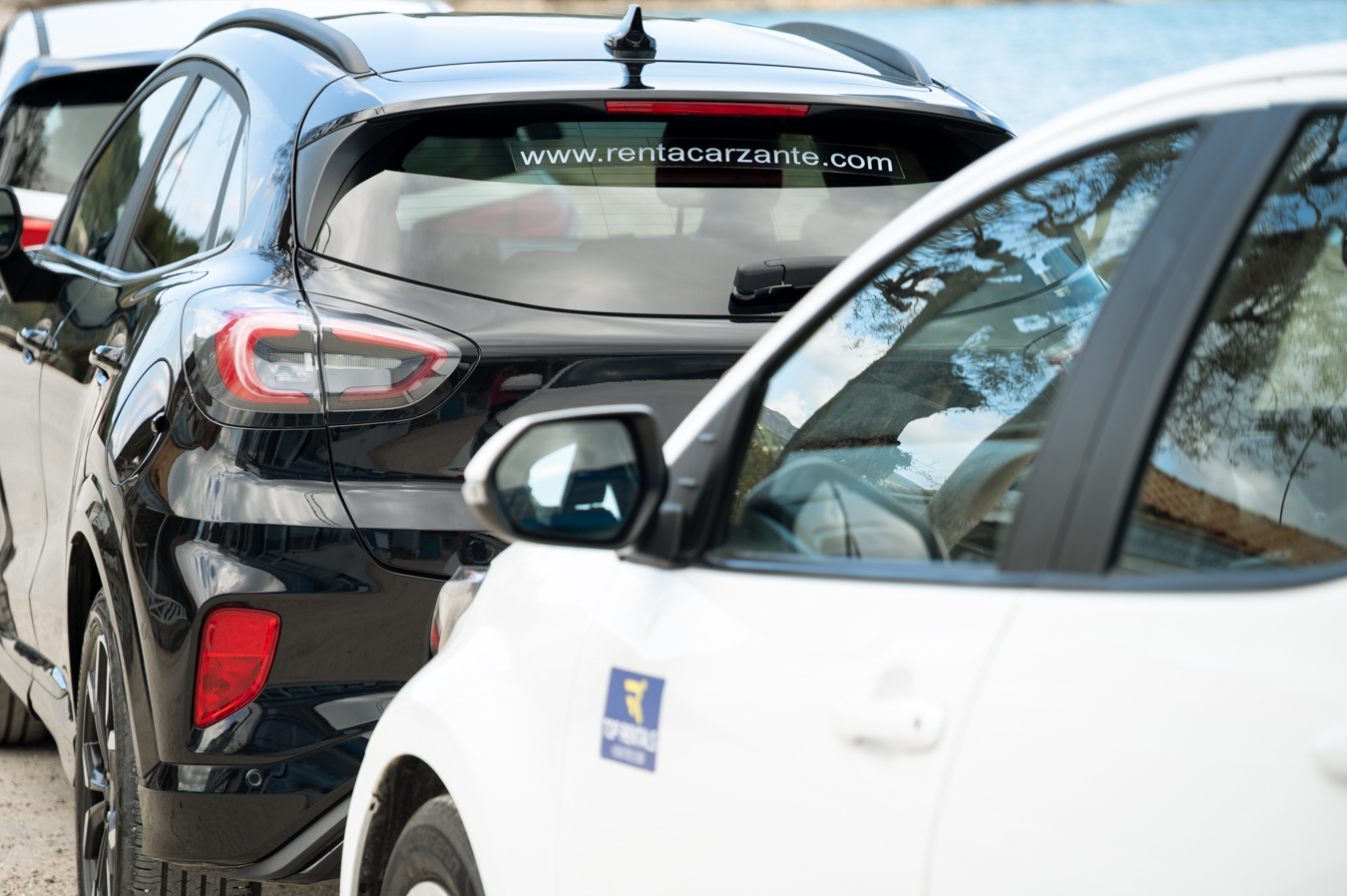
One of the greatest advantages of visiting Zakynthos is the freedom to explore the island independently. While organized tours and public transport can take you to some popular locations, nothing compares to having your own vehicle and discovering the island at your own pace. Whether you choose a compact car, SUV, motorbike, scooter, or ATV, understanding the local driving culture is essential before setting off on your adventure. This is why learning the most important Zakynthos traffic rules should be one of the first steps when planning your holiday.
Zakynthos is not a large island, but its road network is diverse. Visitors will encounter coastal roads, mountain routes, village streets, agricultural roads, and busy tourist areas, often all within the same day. The driving experience is generally relaxed compared to large European cities, but there are still local habits, unwritten customs, and official regulations that travelers should understand. Knowing the Zakynthos traffic rules will not only help you avoid fines but will also make your holiday safer and more enjoyable.
Many first time visitors arrive expecting driving conditions similar to those in their home country. However, every destination has its own road culture. In Zakynthos, patience, awareness, and flexibility are often more important than speed. Local drivers are usually experienced with the island’s roads and understand how to navigate narrow village streets, steep hills, and seasonal traffic. Visitors who familiarize themselves with the most important Zakynthos traffic rules before arrival often feel much more confident behind the wheel.
Driving also allows travelers to experience parts of the island that many tourists never see. Traditional villages, hidden beaches, scenic viewpoints, olive groves, and mountain tavernas become much easier to reach when you have your own transportation. If you would like inspiration for places to explore after learning the Zakynthos traffic rules, you can read our article Top 7 scenic drives in Zakynthos you can only explore by car. You may also enjoy The best way to discover 10 Zakynthos villages by car if you want to experience the island beyond the main tourist resorts.
This guide explains the most important Zakynthos traffic rules, local driving customs, road etiquette, parking advice, safety recommendations, and practical tips that every visitor should know. Whether you are renting a car, motorbike, scooter, or ATV from Top Rentals, these guidelines will help you enjoy a smoother and safer driving experience throughout your stay.
1. Understanding the basics of Zakynthos traffic rules
Before exploring the island, visitors should understand the fundamental Zakynthos traffic rules that apply throughout Greece. Vehicles drive on the right side of the road, and overtaking generally takes place on the left. Seat belts are mandatory for drivers and passengers, while helmets are legally required for motorbike, scooter, and ATV riders. These may seem obvious, but every year visitors receive fines because they assume local enforcement is relaxed during holidays.
One of the most important Zakynthos traffic rules concerns speed limits. In built-up areas, speed limits are generally lower than on open roads. Drivers should always pay attention to posted signs because speed limits can change depending on road conditions and local regulations. Village roads often require particularly cautious driving because pedestrians, parked vehicles, and narrow lanes can reduce visibility. Many of the most beautiful destinations on the island are reached through small villages, making awareness of Zakynthos traffic rules especially important.
Another key aspect of Zakynthos traffic rules involves alcohol consumption. Greece enforces drink driving laws, and visitors should never assume that holiday destinations are exempt from strict enforcement. If you plan to enjoy local wine or traditional Greek spirits during lunch or dinner, it is always safest to arrange alternative transportation or designate a driver. Responsible driving protects not only yourself but also other road users.
Mobile phone use while driving is another area covered by Zakynthos traffic rules. Drivers should avoid using handheld mobile devices while operating a vehicle. If navigation is required, it is best to set the route before departing and use a secure hands-free mount. Constantly looking at a phone while driving can be particularly dangerous on unfamiliar island roads where curves, junctions, and changing road surfaces require full attention.
Visitors should also remember that road signs are generally displayed using both Greek and Latin characters, especially in tourist areas. This makes navigation relatively easy for international travelers. Nevertheless, some rural roads may have fewer signs than visitors expect. Preparing routes in advance and allowing extra travel time can make driving far more enjoyable. If you would like to better understand travel times between major destinations, our article How far is everything in Zakynthos? Real Zakynthos driving distances between major spots offers practical guidance.
Learning these basic Zakynthos traffic rules before arrival helps create confidence behind the wheel and allows visitors to focus on enjoying the island rather than worrying about local regulations.
2. Road conditions and what visitors should expect
One of the most important things to understand about Zakynthos traffic rules is that safe driving depends not only on knowing the laws but also on understanding local road conditions. Unlike major highways found in larger countries, many roads in Zakynthos are narrower and more varied. Within a single journey, drivers may encounter modern paved roads, village lanes, mountain switchbacks, and agricultural routes used by local farmers.
Many visitors are surprised by how quickly road environments can change. A comfortable coastal road may suddenly transition into a narrower village street. This is perfectly normal and is one reason why understanding Zakynthos traffic rules and adapting your driving style is so important. Speed should always reflect actual road conditions rather than simply the posted limit.
Mountain roads deserve special attention. Some of the island’s most spectacular viewpoints are located in elevated areas around Volimes, Kampi, Kiliomenos, and Skinari. These routes often include curves, inclines, and occasional narrow sections. Drivers unfamiliar with mountain roads should take their time and avoid rushing. Local drivers are generally accustomed to these conditions and may travel more confidently than visitors. Staying calm and maintaining a steady pace is usually the safest approach.
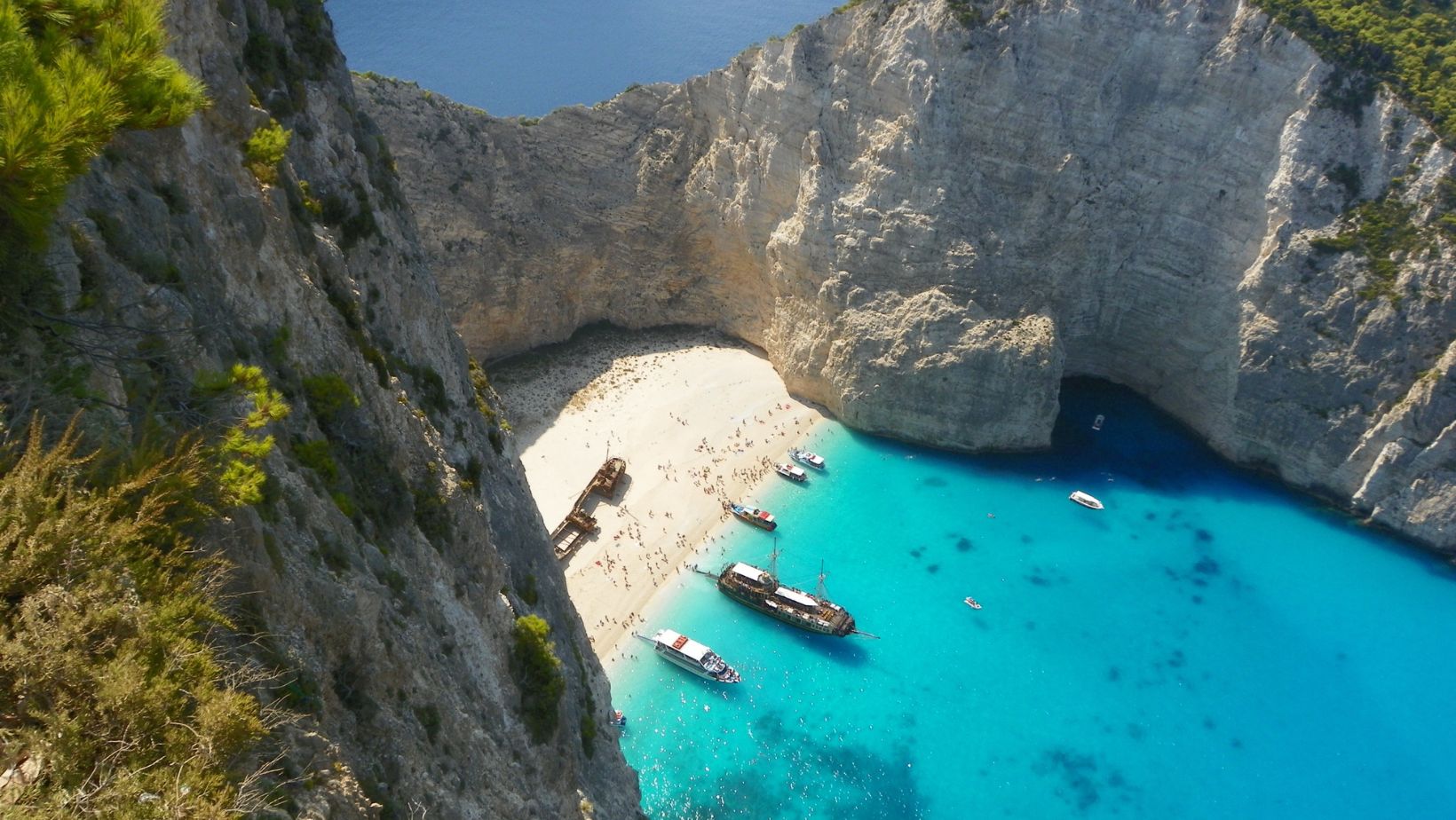
During summer, increased tourism creates heavier traffic around popular destinations such as Laganas, Tsilivi, Argassi, Alykes, and Zakynthos Town. Outside the peak season, roads are generally much quieter. If you are planning an autumn trip, you may enjoy reading our article “Autumn in Zakynthos: things to do, best car routes and why it is the perfect off season escape.”
Visitors should also be aware that some rural roads occasionally have agricultural vehicles, livestock, or local residents walking along the roadside. This is especially common near olive groves and farming areas. Respecting these local realities is part of understanding both the practical and cultural side of Zakynthos traffic rules.
Weather conditions can occasionally affect driving as well. While Zakynthos enjoys excellent weather for most of the year, rain can make roads slippery, particularly after long dry periods. Drivers should reduce speed accordingly and allow greater stopping distances. Safe driving is not only about following Zakynthos traffic rules but also about adapting responsibly to changing conditions.
The good news is that most visitors quickly become comfortable driving on the island. By combining common sense with an understanding of local Zakynthos traffic rules, travelers can safely reach some of the island’s most beautiful locations and enjoy complete freedom throughout their holiday.
3. Local driving culture and road etiquette in Zakynthos
Understanding official Zakynthos traffic rules is only part of the equation. Equally important is understanding the local driving culture. Greek drivers, including those in Zakynthos, often communicate through awareness, courtesy, and practical cooperation rather than rigid formality. Visitors who understand this local mentality usually find driving far less stressful than expected.
One common aspect of local road etiquette involves allowing faster vehicles to pass when conditions permit. On narrower roads, local drivers may move slightly to the side to create additional space. Visitors are not expected to drive quickly, but maintaining awareness of surrounding traffic helps keep roads flowing smoothly. This unwritten practice complements official Zakynthos traffic rules and contributes to safer driving for everyone.

Patience is another important part of island driving culture. In village centers, roads may become temporarily blocked by delivery vehicles, local residents, or agricultural equipment. Rather than becoming frustrated, most drivers simply wait a few moments until the road clears. This relaxed attitude reflects the slower pace of island life and is something many visitors come to appreciate.
Another interesting cultural observation is that drivers often acknowledge courteous behavior with a brief wave or gesture of thanks. While not an official part of Zakynthos traffic rules, these small acts contribute to the friendly atmosphere that characterizes much of the island. Respect and courtesy go a long way when driving in local communities.
Pedestrian awareness is also important. Popular tourist areas can become busy, particularly during evening hours. Drivers should always remain alert near restaurants, beaches, shops, and town centers. Many visitors are focused on sightseeing and may cross roads unexpectedly. Careful observation is one of the most valuable habits a driver can develop while following Zakynthos traffic rules.
Ultimately, the best approach to driving in Zakynthos combines respect for official regulations with appreciation for local customs. Visitors who remain patient, attentive, and courteous generally discover that driving on the island is one of the most enjoyable parts of their holiday experience.
4. Understanding Zakynthos traffic rules in Villages, coastal areas, and tourist zones
One of the most important aspects of understanding Zakynthos traffic rules is recognizing that driving conditions can change significantly depending on where you are on the island. A road that feels wide and comfortable near Zakynthos Town may become much narrower once you enter a traditional mountain village. Likewise, coastal roads can appear easy to drive, but they often attract pedestrians, cyclists, scooters, and tourists who may stop unexpectedly to take photos. Learning how Zakynthos traffic rules apply in different environments helps drivers remain safe, respectful, and confident throughout their holiday.
In traditional villages such as Kiliomenos, Volimes, Agios Leon, or Exo Chora, roads are often narrow and were originally designed long before modern traffic volumes existed. Drivers should reduce speed significantly when entering these areas, even when no specific speed sign is visible. Local residents, elderly pedestrians, children, and agricultural vehicles frequently share the same roads. Following Zakynthos traffic rules in village environments means driving patiently and understanding that local life takes priority over rushing from one destination to another. You may occasionally need to stop and allow another vehicle to pass through a narrow section. This is considered normal and is part of local driving etiquette.
Another important aspect of Zakynthos traffic rules involves parking in villages. Many village centers have limited parking space, especially during summer. Visitors should avoid blocking driveways, narrow roads, church entrances, or access routes used by local residents. Even if an area appears quiet, it may still serve as an important access point for the community. Respecting parking regulations is an essential part of responsible driving. If you want practical advice about parking on the island, you can also read our article Where to park in Zakynthos Town: Insider tips for free & paid zones.

Coastal roads require a different approach. Popular areas such as Tsilivi, Alykanas, Alykes, Laganas, Kalamaki, Argassi, and Keri attract large numbers of visitors, especially between May and October. Here, Zakynthos traffic rules must be combined with heightened awareness. Tourists often cross roads unexpectedly while heading to beaches, restaurants, or shops. Scooters and ATVs may enter traffic from side streets without much warning. Drivers should always maintain a safe following distance and remain alert. Defensive driving is one of the most valuable skills visitors can practice while exploring the island.
Many travelers also underestimate how busy some tourist roads become during sunset hours. Areas such as Bochali, Kampi, Keri Cliffs, and Cape Skinari attract large numbers of visitors who stop frequently to enjoy the scenery. Understanding Zakynthos traffic rules in these areas means driving carefully, avoiding sudden parking maneuvers, and remaining patient when traffic slows. The best approach is to treat every scenic route as part of the holiday experience rather than focusing solely on reaching the destination.
For travelers planning extensive island exploration, our article Top 7 scenic drives in Zakynthos you can only explore by car provides excellent route inspiration. If you want to understand travel times more accurately, you can also read How far is everything in Zakynthos? Real Zakynthos driving distances between major spots. Both guides help visitors prepare for different road conditions while applying Zakynthos traffic rules responsibly.
5. Parking rules and local etiquette every visitor should know
Parking may seem straightforward, but understanding local expectations is an important part of respecting Zakynthos traffic rules. Many visitors focus only on driving regulations while overlooking parking etiquette, which can create inconvenience for residents and other travelers. In reality, responsible parking is considered just as important as safe driving throughout Zakynthos.
One of the most common mistakes tourists make is assuming that any empty roadside space can be used for parking. While some areas do allow roadside parking, visitors should always check for local signs and markings. Parking restrictions may apply near intersections, bus stops, pedestrian crossings, church entrances, or emergency access routes. Following Zakynthos traffic rules means paying attention not only to traffic signs but also to the practical impact your parked vehicle may have on other road users.
Zakynthos Town requires particular attention. During summer, parking demand increases considerably. Some areas provide designated parking spaces, while others have specific time restrictions. Drivers should avoid parking in ways that obstruct traffic flow or make it difficult for larger vehicles to pass. Local drivers generally appreciate visitors who make an effort to park thoughtfully and respectfully. For detailed guidance, our article Where to park in Zakynthos Town: Insider tips for free & paid zones offers practical recommendations.
Beach parking areas also deserve special mention. Locations such as Banana Beach, Gerakas, Porto Zoro, and Xigia can become busy during peak season. Visitors should park only in designated areas whenever possible. Parking on vegetation, blocking beach access roads, or occupying spaces reserved for businesses may create problems and could potentially lead to penalties. Respecting Zakynthos traffic rules includes respecting local infrastructure and preserving access for everyone.
A valuable aspect of local driving culture involves courtesy. If another driver is waiting for a parking space, a simple gesture or indication of your intentions helps maintain a friendly atmosphere. Similarly, if a local resident needs access to a driveway or private property, allowing them priority is considered good etiquette. These small actions contribute significantly to a positive driving experience.
Motorbike and ATV users should also pay attention to parking regulations. Even though smaller vehicles require less space, they should not be parked in ways that obstruct pedestrian movement or access points. Visitors planning to rent two or four-wheel vehicles can explore our Motorbikes and ATVs sections for available options. Understanding parking expectations before setting out helps ensure compliance with Zakynthos traffic rules while keeping the island enjoyable for residents and visitors alike.
6. Useful driving tips for a stress free holiday in Zakynthos
Understanding Zakynthos traffic rules is essential, but practical preparation can make driving even easier. Visitors who take a few simple steps before their trip often enjoy a far smoother experience. The first recommendation is to plan routes in advance. Knowing your destination, approximate travel time, and road type helps reduce stress and improves overall safety. While spontaneity is part of the fun of exploring Zakynthos, a basic route plan provides valuable confidence.
Another useful tip is choosing the right vehicle. Not every traveler has the same needs. Couples may prefer compact cars or scooters, while families often benefit from larger vehicles with additional luggage space. Mountain routes may feel more comfortable in SUVs, whereas coastal exploration can be enjoyable in smaller, more economical vehicles. If you are unsure which option suits your holiday best, visit our our fleet section or read Pick the right group car: Compact, Sedan or Minivan?
Fuel planning is another important part of following Zakynthos traffic rules responsibly. Although fuel stations are available across much of the island, some remote areas offer fewer options. Drivers planning longer excursions should avoid waiting until the fuel tank is nearly empty. For practical budgeting information, you may also find our article Zakynthos fuel prices: Cheapest stations & budget guide for drivers useful.
Visitors should also familiarize themselves with insurance coverage before collecting their vehicle. Understanding what is included can prevent confusion and help drivers travel with greater confidence. Our insurance section explains available options clearly, while our FAQs page answers many common questions regarding vehicle rental and driving conditions in Zakynthos.
Additional preparation can further improve the experience. Families traveling with children may need child seats, while some travelers prefer adding a second driver to share responsibilities. These options can be found in our extras section. If you have specific concerns about rental conditions, required documents, or local driving regulations, our contact us page allows you to speak directly with the Top Rentals team.
For travelers seeking more inspiration, our blog contains extensive resources covering scenic routes, village exploration, motorbike adventures, ATV experiences, travel costs, and seasonal travel tips. Articles such as Autumn in Zakynthos: things to do, best car routes & why it’s the perfect off season escape, Zakynthos without a car: What you’ll miss and why freedom matters, and The best family guide to Zakynthos with kids: easy beaches & effortless exploring can help you plan an even more rewarding trip.
Learning Zakynthos traffic rules is one of the most valuable steps any visitor can take before exploring the island. Beyond the official regulations, understanding local road etiquette, respecting village communities, driving patiently on scenic routes, and parking responsibly all contribute to a safer and more enjoyable experience. The goal is not simply to avoid fines or misunderstandings. The goal is to become a considerate and confident driver who can fully appreciate everything Zakynthos has to offer.
The island rewards travelers who embrace a relaxed and respectful driving style. Whether you are discovering mountain villages, following breathtaking coastal roads, visiting hidden beaches, or exploring cultural attractions, applying Zakynthos traffic rules consistently helps create a smoother journey. Patience, courtesy, awareness, and preparation remain the foundations of successful driving on the island.
At Top Rentals, we believe that great holidays begin with confidence. Whether you are looking for a compact city car, a family vehicle, an SUV, a motorbike, or an ATV, our goal is to help you explore Zakynthos safely and comfortably. You can browse available vehicles in our fleet, review coverage options in insurance, check useful information in FAQs, discover helpful travel resources in our blog, or contact our team directly through contact us.
The more familiar you become with Zakynthos traffic rules, the more freedom you will have to enjoy the island’s villages, coastlines, viewpoints, beaches, and hidden gems. Drive carefully, respect local customs, and enjoy every kilometer of your Zakynthos adventure.