
Autumn offers a different perspective on Zakynthos, when the island’s countryside becomes an inviting destination for travellers interested in local food, agricultural traditions and quieter village life. As the summer crowds gradually fade, olive groves remain an essential part of the landscape, connecting generations of local families with one of Greece’s best-known agricultural products. The olive harvest is an important seasonal activity, with its timing depending on the olive variety, local conditions and the weather. For visitors, this period creates an opportunity to discover the island through its producers, traditional villages and working olive presses rather than focusing exclusively on the coast.

Exploring Zakynthos olive oil mills by car allows you to connect several countryside stops at your own pace, spend time learning about olive oil production and enjoy the journey between villages. Some mills preserve historic equipment, while others introduce visitors to modern production methods and offer opportunities to taste or purchase local olive oil. At Top Rentals, we offer cars, motorbikes, and ATVs for visitors who want to organise their own island itinerary, choosing a vehicle that suits their needs and driving experience. In this guide, we begin with the traditions behind the autumn harvest and introduce a selection of olive oil destinations that you can plan into a responsible self-drive trip.
1. Why Autumn Is the Perfect Time to Discover Zakynthos Olive Oil Mills
A seasonal experience rooted in local life
The olive harvest is one of the agricultural traditions that shape the rhythm of life in Zakynthos, where olive trees grow across the island’s countryside. According to Visit Greece’s guide to olives and olive oil, harvesting periods vary according to the type of olive and the location, while oil-producing varieties may be collected over several months. On Zakynthos, local agricultural information describes a harvest that generally begins in October and can continue until January, depending on weather conditions and the variety being cultivated. This means that an autumn visit can coincide with the beginning of the harvest, although the exact activities taking place at each mill will depend on the season.
Visiting Zakynthos olive oil mills during this period can help you understand how the island’s landscape, agricultural work, and food culture are connected. Rather than treating olive oil as just another product on a supermarket shelf, you can learn about the stages involved in producing it, from collecting the fruit to processing and storing the oil. Some producers also welcome visitors for tours, tastings or purchases, although opening hours and activities can vary throughout the year. Before setting out, check the official website of each mill to confirm that it is open and that visits are available on your chosen date.
What makes freshly produced olive oil special?
The stage at which olives are harvested influences the flavour and characteristics of the resulting oil. Early-harvest olives generally produce a more intense, bitter and peppery oil, while olives picked later in their ripening cycle can produce a milder flavour, depending on the variety and processing conditions. These differences make an olive oil tasting an interesting way to explore local production, particularly when a producer can explain the characteristics of its own harvest. For a broader introduction to the Greek olive harvest and traditional harvesting methods, you can also read Discover Greece’s guide to experiencing the olive harvest.
Keep in mind that visiting an olive mill in autumn does not necessarily mean you will see every stage of production in action. Harvesting schedules can change with the weather, and some facilities may offer tours or tastings even when processing is not taking place. Contacting a mill in advance gives you a better chance of planning a visit that matches your interests, whether you want to learn about traditional equipment, understand modern production or sample locally produced olive oil. With a little preparation, an autumn excursion can become a meaningful cultural experience rather than simply another stop on your holiday itinerary.
2. Understanding Zakynthos’ Olive Oil Traditions
From olive groves to the press
Olive cultivation has a long history on Zakynthos, and the island’s local heritage reflects the importance of different olive varieties and production techniques. The island’s cultural tourism resource, Rezante’s local products tour, describes the spread of olive cultivation and the development of local oil production over time. It also explains how traditional stone presses gradually gave way to mechanised equipment and hydraulic presses, particularly as production methods changed during the twentieth century. These developments allow visitors to appreciate both the continuity of the island’s agricultural traditions and the technological changes that have shaped the industry.

A visit to Zakynthos olive oil mills can reveal how these changes are reflected in the equipment and methods used by individual producers. Depending on the facility, you may learn about the preparation of harvested olives, the extraction process and the importance of handling the fruit appropriately before processing. Historic tools can also provide a sense of the labour involved in traditional production, helping visitors understand why olive oil has remained closely associated with rural life across generations. If you are interested in local culture beyond food, consider combining an olive mill visit with our guide to the culture of Zakynthos and its cultural attractions.
How to make the most of an olive oil tasting
An olive oil tasting gives you the chance to pay attention to qualities that can otherwise be overlooked when oil is used only as an ingredient. Producers may explain the aroma, fruitiness, bitterness, and peppery finish of their oils, helping you understand how different harvesting and production choices affect the final product. If tastings are available, compare the oils slowly and ask the producer what distinguishes the varieties or batches on offer. You can also purchase a bottle directly from a mill, giving you a practical souvenir that reflects the island’s agricultural identity.
To get more from the experience, allow enough time at each stop rather than trying to visit too many places in a single day. Some mills have historical displays or dedicated visitor areas, while others focus more directly on production and sales, so checking the facilities in advance will help you choose the right destinations. Remember that a working olive mill is also an agricultural workplace, and access to machinery or production areas may be restricted for safety reasons. Follow the host’s instructions, stay within the permitted visitor areas, and ask before taking photographs of workers or restricted facilities.
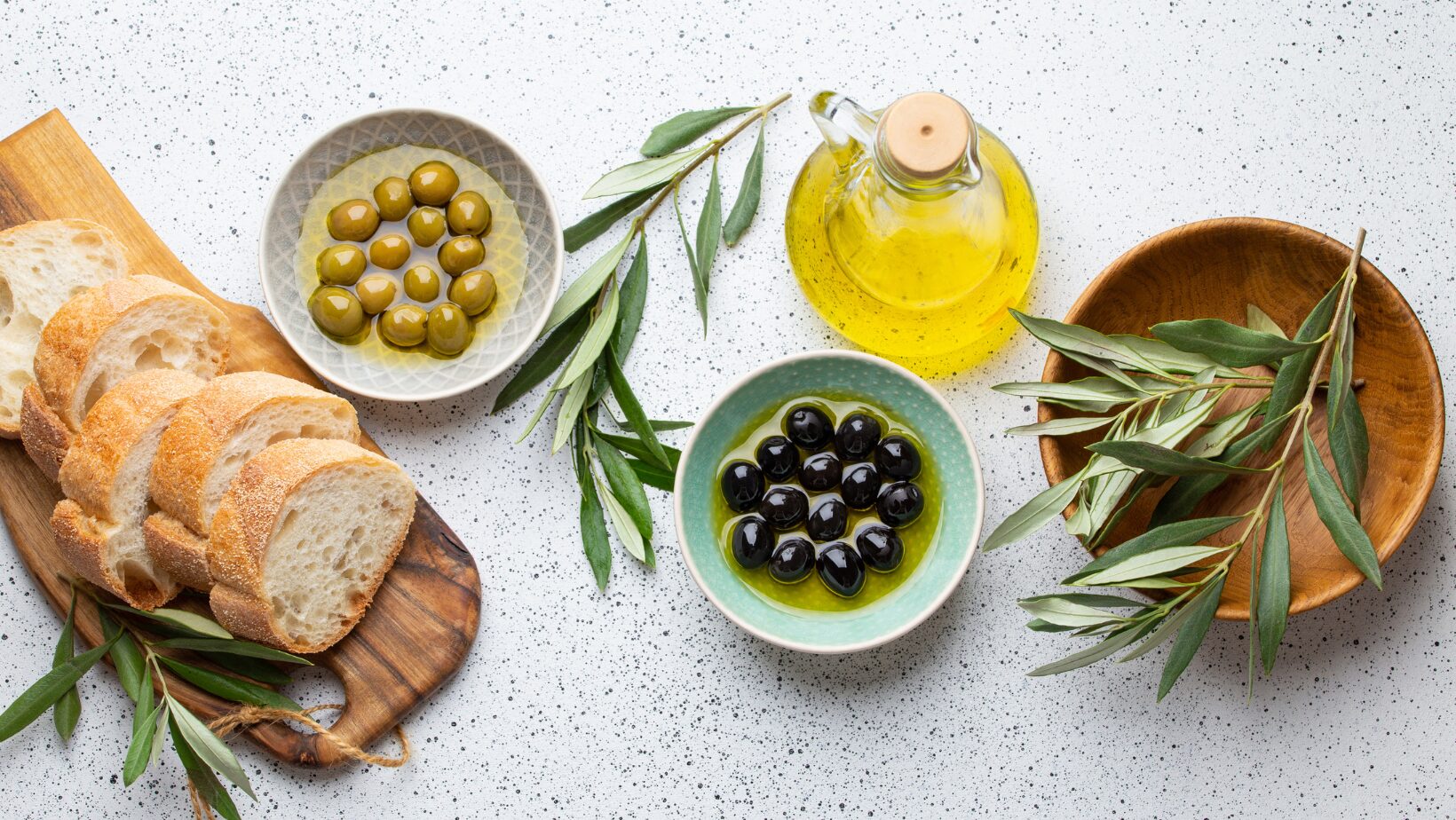
3. The Best Olive Oil Mills to Visit in Zakynthos
1. Aristeon Olive Press in Lithakia
Aristeon Olive Press is one of the island’s established olive oil destinations, located in Lithakia in the southern part of Zakynthos. According to its official website, the family business traces its history to 1850 and presents the evolution of olive pressing, from traditional animal-powered equipment to later mechanical systems. The site combines olive oil production with a museum-style experience, giving visitors an opportunity to learn about the tools and techniques associated with the island’s olive-growing heritage. Its location makes it a useful starting point for travellers who want to explore the countryside around Lithakia and connect a cultural visit with a relaxed drive.
Before visiting, check the official Aristeon website for current opening information and details about the facilities available on your chosen date. If tastings or products are available during your visit, take the opportunity to learn about the characteristics of the oils rather than choosing a bottle based only on its label. You can also ask questions about the production process and the differences between traditional equipment and modern methods, making the stop more informative for adults and older children alike. By including Aristeon in your Zakynthos olive oil mills itinerary, you can combine local history, food culture and an easy countryside excursion in one visit.
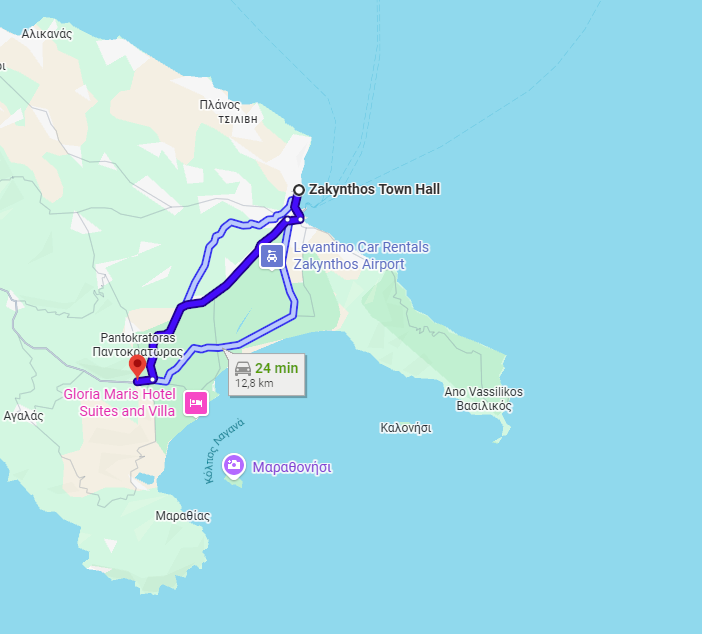
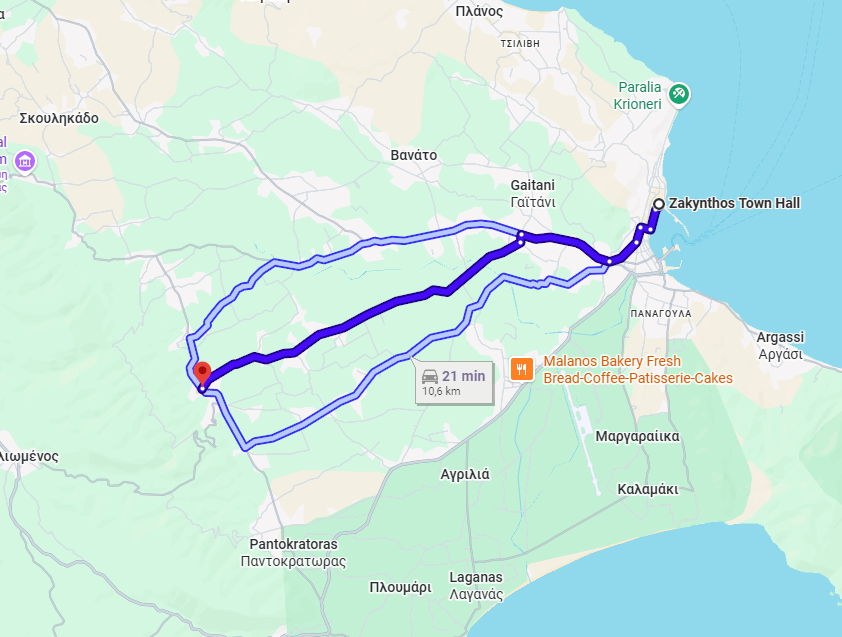
2. Tzavalas Olive Oil Mill in Machairado
Another destination worth researching is Tzavalas Olive Oil Mill, a family-run producer located in Machairado. The company describes its work as combining local olive-growing traditions with modern production facilities, including the processing of Koroneiki olives grown on Zakynthos. Its website also explains traditional harvesting practices, such as gathering the fruit onto nets before transporting it for processing. These details offer a useful introduction to the practical work behind olive oil production and the care required between harvesting and pressing.
Tzavalas can be a worthwhile addition to a countryside itinerary if you would like to learn more about the production side of the island’s olive oil culture. The producer’s official contact page provides its location in Machairado and current contact details, so you can enquire about visiting and tasting arrangements before travelling. Because the facility is a working business, do not assume that every production area is open to visitors or that a guided tour is available without prior confirmation. Planning ahead helps you make the most of your visit while respecting the schedule and safety requirements of the people working there.
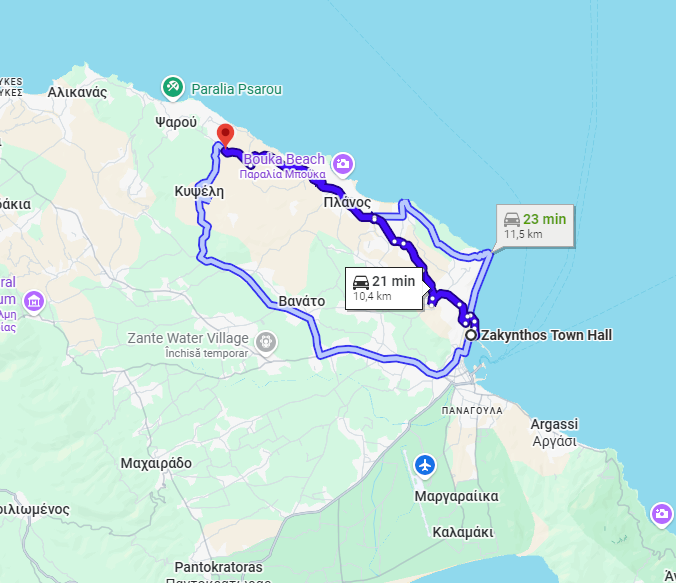
3. Liotrivi Olive Press in Kypseli
For travellers exploring the eastern side of Zakynthos, Liotrivi Olive Press in Kypseli offers another opportunity to discover the island’s olive oil production. The business describes itself as a producer of extra virgin olive oil made from the Koroneiki variety and invites visitors to enquire about guided tours, production information and tastings. Its official website provides directions and contact details, making it easier to check whether a visit fits your travel plans. This can be a useful stop for visitors who want to explore a different part of the island rather than concentrating all their activities in the south.
Before adding Liotrivi to your route, contact the mill to confirm its current visiting arrangements, particularly if you are travelling outside the main tourist season. A visit may offer insight into how local olives are processed and how producers present their oils to customers, although the specific experience will depend on availability. If you plan to buy olive oil, leave enough room in your itinerary to browse without rushing to the next destination. Combining a visit with nearby villages or other permitted public-road stops can turn the excursion into a fuller day of discovering Zakynthos beyond its best-known beaches.
4. Planning Your Self-Drive Olive Oil Itinerary
Choose your vehicle and plan around real road conditions
A self-drive itinerary gives you flexibility to arrange visits around opening hours, meal breaks and the amount of time you want to spend at each mill. At Top Rentals, we offer cars, motorbikes and ATVs, allowing visitors to choose a vehicle that suits their licence, experience and travel plans. For a day involving several stops, consider how much luggage you will carry, whether you are travelling with other people and which vehicle category will be most comfortable for the journey. You can explore the available options on our fleet page before deciding which vehicle is suitable for your trip.
Whatever vehicle you choose, safety and permitted road access must guide your route planning. Our rental vehicles are not intended for off-road use, and our current Terms & Conditions prohibit driving on unpaved or unsealed surfaces, rough or rocky tracks, beaches, forest roads, agricultural roads and other prohibited terrain. These restrictions apply to cars, motorbikes and ATVs, so do not follow a route simply because a map or travel post describes it as a scenic shortcut. For more information about safe driving and local road responsibilities, read our guide to Zakynthos traffic rules and safe driving in 2026.
A practical starting point for your route
If you are staying in southern Zakynthos, you could begin by checking the availability of a visit to Aristeon in Lithakia, then plan additional stops only after confirming their opening arrangements. Travellers who want to include Tzavalas in Machairado or Liotrivi in Kypseli should check the driving time between destinations using a current navigation service and allow extra time for village traffic and parking. The route should follow public roads suitable for your vehicle, with no detours onto agricultural tracks or unpaved paths through olive groves. This approach keeps the itinerary flexible while respecting both local working areas and our vehicle-use restrictions.
For more inspiration on organising an independent island journey, you can read our guide to the best way to discover Zakynthos villages by car and our article about scenic drives in Zakynthos. Before departure, confirm each mill’s visiting arrangements, save the correct destination details, and check the weather forecast, especially if you expect to drive through rural or hilly areas. A carefully planned route will leave you more time to enjoy the local food culture and less time dealing with last-minute changes. In the second part of this guide, we will continue with further itinerary ideas and practical advice for making an autumn olive oil excursion part of a safe and enjoyable Zakynthos holiday.
5. Three Self-Drive Routes for an Autumn Olive Oil Adventure
Rather than trying to visit every producer in one day, you can organise your Zakynthos olive oil mills excursion around a particular area of the island. This makes it easier to confirm appointments, enjoy the countryside and leave enough time for lunch or a stop in a traditional village. The routes below are suggested itineraries, not fixed tours, so check the exact locations, opening hours and driving times before setting off. Always follow public roads that are suitable for your vehicle and never use agricultural tracks or unpaved shortcuts to reach an olive grove or mill.
Route 1: Lithakia and Southern Zakynthos
Lithakia is a practical starting point for visitors staying in the southern part of the island, particularly if they want to visit Aristeon Olive Press. After arranging your visit, you can continue towards nearby villages using public roads and choose a local café or taverna for a relaxed break. This route is best suited to travellers who prefer a shorter outing with one main cultural stop rather than a packed schedule. Depending on the time available, you can also explore other accessible parts of the south before returning to your accommodation.
To make the most of the day, check the mill’s visiting arrangements before leaving and allow extra time for parking and walking around the village. If you want to extend the excursion, our guide to the best way to discover Zakynthos villages by car can provide further inspiration for planning countryside stops. Avoid entering olive groves or private agricultural property unless the owner has explicitly invited you, even when a track appears to offer a convenient route. A relaxed itinerary on suitable public roads is a better way to discover the area while respecting local residents and working farms.
Route 2: Machairado and the Central Countryside
For a journey focused on local production, consider making Tzavalas Olive Oil Mill in Machairado your main destination. Before travelling, contact the producer to ask whether a visit or tasting is available, then use the surrounding central countryside as the basis for a flexible half-day excursion. You can plan additional stops in nearby villages or at established visitor attractions, provided that they are accessible by permitted roads and fit comfortably into your schedule. This route is particularly suitable for travellers who want to learn more about olive oil production without spending the entire day driving.
When planning this outing, use a current navigation service to check the route from your accommodation and identify suitable places to park. Rural roads can be narrow, and some junctions may offer limited visibility, so drive at a speed that allows you to respond safely to oncoming traffic and unexpected obstacles. Do not assume that the shortest route suggested by a navigation app is always the most appropriate one for your vehicle. If a road becomes unsealed or leads onto a prohibited track, turn back safely and choose an alternative public route.
Route 3: Kypseli and the Eastern Side of the Island
Travellers staying in or around the eastern side of Zakynthos may find it convenient to arrange a visit to Liotrivi Olive Press in Kypseli. Contact the business beforehand to confirm availability, then build the rest of your day around accessible villages, local food stops or other established attractions in the area. Keeping the itinerary flexible allows you to spend more time at the mill if a tour or tasting is available, rather than rushing away to meet an unrealistic schedule. It also makes the excursion more enjoyable for couples, families and small groups with different interests.
Before setting off, check the route, parking arrangements and weather conditions, particularly if you plan to travel later in the afternoon. If you are unfamiliar with the island, our article about the safest way to drive to Porto Limnionas and Porto Roxa offers further general inspiration for thinking carefully about road conditions when exploring Zakynthos. Remember that scenic countryside does not mean every track is suitable for rental vehicles, and access to private land must never be assumed. Stay on permitted roads and follow our rental conditions throughout your journey.
6. Practical Tips for Visiting Olive Oil Mills in Autumn
What to check before your visit
Autumn is associated with olive harvesting, but individual producers do not all operate according to the same visitor schedule. Some may welcome visitors for tastings or tours, while others prioritise production and require advance arrangements, especially outside the main tourist season. Contact each mill directly to ask about opening hours, guided visits, tasting availability, prices, and whether reservations are necessary. This simple step will help you choose realistic stops and avoid arriving at a closed facility.
It is also useful to ask whether visitors can purchase olive oil directly and what packaging options are available. If you are flying home, check your airline’s baggage rules before buying larger bottles, particularly if you plan to carry them in your hand luggage. Keep any purchases secure inside your vehicle and avoid leaving valuables visible when stopping at attractions or cafés. By planning these practical details in advance, you can concentrate on the experience instead of dealing with preventable problems during the day.
What to bring and how to prepare
Comfortable shoes are useful if your visit includes walking through a museum area, a visitor centre or a traditional village, while a light jacket can be helpful on cooler autumn days. Carry drinking water, keep your phone charged and save the contact details of the mills you intend to visit. It is worth downloading or checking directions before departure in case mobile coverage becomes unreliable in parts of the countryside. If you are travelling with children or older relatives, allow extra breaks and choose a schedule that suits everyone in the group.
You should also prepare for changing daylight conditions as autumn progresses. Try to complete unfamiliar rural driving during daylight, leave enough time to return to your accommodation, and avoid rushing between destinations as evening approaches. For more seasonal planning advice, read our article about autumn in Zakynthos: things to do, the best car routes and the benefits of an off-season escape. Combining practical preparation with a flexible itinerary will help you enjoy the island’s countryside more comfortably.
7. Choosing the Right Rental Vehicle for Your Trip
Cars for flexible countryside exploration
A car can be a convenient choice when your itinerary includes several olive oil producers, passengers, and purchases to carry back to your accommodation. At Top Rentals, we offer different vehicle categories so that you can choose according to your group size, driving experience and travel needs. Before booking, consider how many people will travel with you, how much luggage you expect to carry and whether you prefer a manual or automatic transmission. You can compare available options on our fleet page and select a vehicle that suits your plans.
For visitors who want to explore several villages in one day, a car also makes it easier to adjust the itinerary if a mill is closed or a tasting takes longer than expected. However, flexibility should not come at the expense of safe driving, so plan your stops in advance and park only where permitted. Read our guide to choosing between a compact car, sedan, or minivan if you need help deciding which type of vehicle best suits your group. A suitable rental can make the journey more comfortable while leaving you free to focus on the places and people you came to discover.
Motorbikes and ATVs: important safety considerations
Motorbikes can appeal to experienced riders who prefer travelling light, while ATVs may interest visitors looking for a different way to explore the island. However, you must select a vehicle that matches your licence and experience, and you should review the rental conditions before booking. Motorbikes and ATVs are not a way to access olive groves, dirt tracks or other areas that are prohibited to rental vehicles. Our current Terms & Conditions prohibit off-road use, including driving on unpaved or unsealed roads, rough or rocky surfaces, beaches, forest roads and agricultural tracks.
If you are considering a two-wheeled rental, read our guide to motorbike rental in Zakynthos, including licence rules and safety tips. For ATV users, our article on ATV rental rules, licensing and safety explains important considerations before setting off. Always wear the appropriate protective equipment, follow Greek traffic rules, and use only roads permitted under our rental agreement. If your chosen destination can only be reached by an unpaved or prohibited route, do not attempt to reach it with a Top Rentals vehicle.
8. Make Your Autumn Journey Easier with Top Rentals
Planning your trip around olive oil production is easier when your vehicle collection fits your accommodation and travel schedule. At Top Rentals, we have two locations on Zakynthos: our main office on Laganas Main Road and a second office at Zakynthos International Airport (ZTH). You can collect your vehicle at either location and return it to the other, giving you flexibility if you arrive by plane but are staying elsewhere on the island. Our offices are open from 08:00 to 21:00, and collections or deliveries outside these hours may incur an additional fee.
Before booking, check that your driving licence meets the requirements for your selected vehicle and that you have the necessary original documents. If you are travelling with other people who will share the driving, make sure every additional driver is registered in the rental agreement before taking the wheel. You can review our vehicle options and plan your reservation through the Top Rentals website. For more advice on planning an independent trip, visit our blog, where you can find guides to road trips, local attractions and driving around Zakynthos.
Exploring Zakynthos olive oil mills offers a different way to experience the island, bringing together agricultural traditions, local producers and the quieter atmosphere of the countryside. From the historic displays at Aristeon in Lithakia to the producers in Machairado and Kypseli, each visit can provide a new perspective on the work and knowledge behind local olive oil. Because opening arrangements and harvesting activity vary, checking details directly with each mill is essential before planning your route. With realistic travel times and a flexible schedule, you can enjoy the experience without rushing between destinations.
At Top Rentals, we make it easier to plan your own Zakynthos itinerary with a choice of cars, motorbikes and ATVs, along with convenient collection options at Laganas Main Road and Zakynthos International Airport. Choose a vehicle that suits your licence, group and plans, and remember that all journeys must follow permitted roads and our rental conditions. Off-road driving and travel on prohibited unpaved or agricultural tracks are not allowed, regardless of the vehicle you choose. Prepare your route, arrange your visits in advance, and discover another side of Zakynthos during the autumn harvest.
Plan your countryside escape with Top Rentals and discover Zakynthos one local experience at a time.