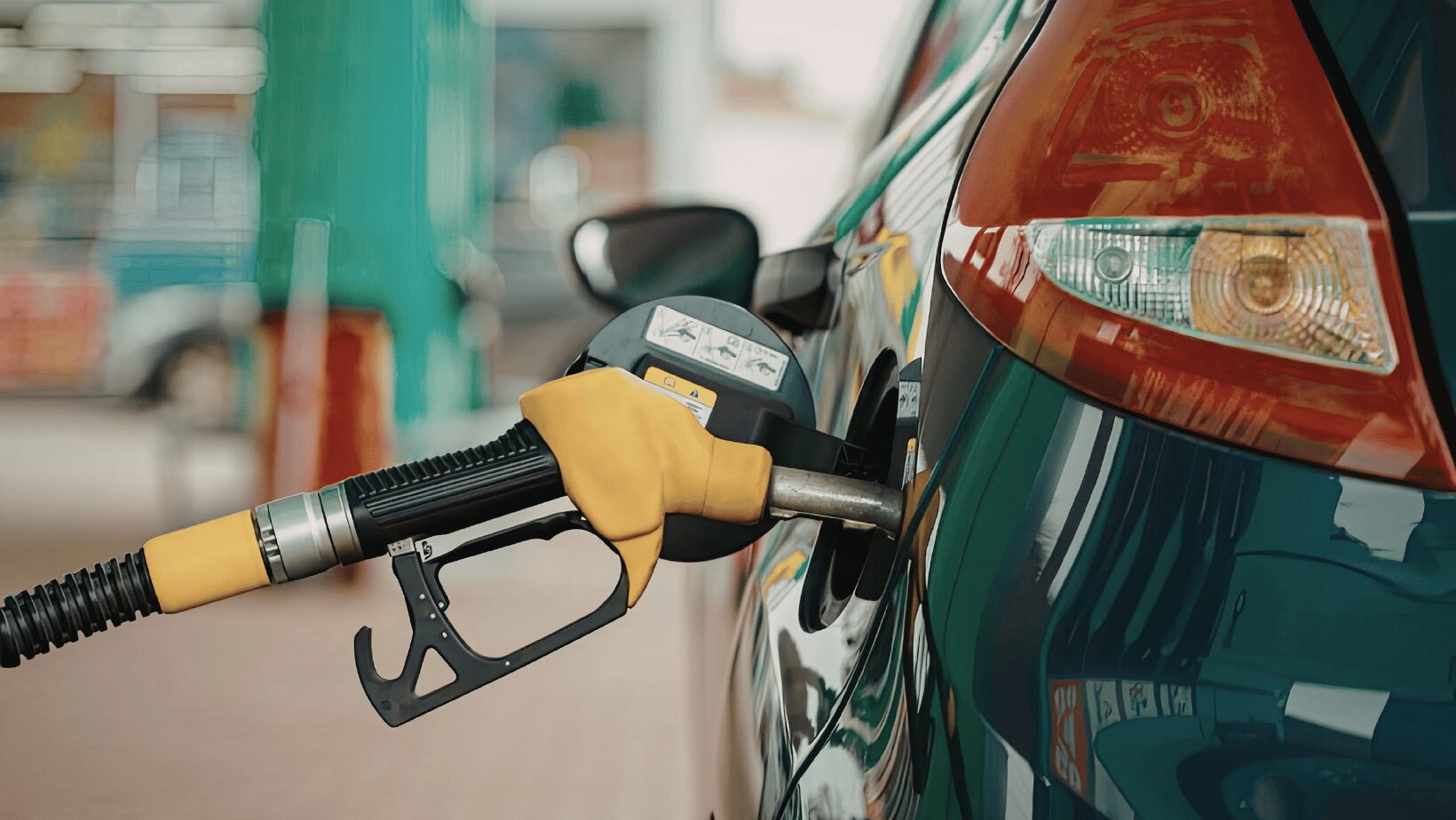
Fuel is one of those travel expenses that can quietly increase the cost of a road trip. When you rent a vehicle in Zakynthos and spend several days moving between beaches, villages, viewpoints and coastal roads, even small differences in the price per litre can eventually become noticeable. This is why many visitors search for the cheapest fuel stations in Zakynthos before filling up, especially when they are travelling on a fixed holiday budget. But is there really such a thing as one permanently cheapest station on the island, or is the idea mostly a tourist myth?
The answer is more interesting than a simple yes or no. Cheapest fuel stations do exist, because prices can differ from one petrol station to another, sometimes even within the same general area, but the ranking is not permanent. Fuel prices change with market conditions and individual station pricing, so a station that appears among the cheapest today may no longer have the lowest price a few days later. For visitors renting a car, scooter or ATV, the smartest approach is therefore not to chase one famous “cheap” petrol station, but to understand how prices work, compare nearby options and refuel as part of a planned route.
This guide looks at the reality behind the cheapest fuel stations in Zakynthos and explains how to save money without wasting time or driving unnecessary kilometres. We will also look at where price differences can matter, how to choose a sensible refuelling point, and why fuel economy and safe driving can sometimes save more money than searching for the absolute lowest price.
1. Are the cheapest fuel stations in Zakynthos really cheaper?
The short answer is yes, but with an important qualification. There is no fixed petrol station that can honestly be called the cheapest fuel station in Zakynthos for every day, every fuel type, and every season. Fuel prices are updated regularly, and different stations can move up or down the local price ranking as their prices change. Recent fuel-price listings for Zakynthos show that stations can have noticeably different prices for Unleaded 95 and diesel, which confirms that comparing prices is not simply an internet myth.
What is misleading is the idea that you can identify one station once and then automatically save money by always driving there. A price comparison is useful only when it reflects the current situation and when the station is reasonably close to your route. If you drive several extra kilometres just to save a few cents per litre, the additional distance can reduce or completely eliminate the saving. In other words, the real goal should not be finding the cheapest fuel station at any cost, but finding a cheap and conveniently located fuel station that fits naturally into your itinerary.
This distinction is particularly important on an island such as Zakynthos, where travellers often combine several destinations in one day. A petrol station that is cheaper when viewed on a price-comparison website may not be the best choice if reaching it requires leaving your planned route and then driving back again. The most useful fuel-saving strategy is therefore a combination of price awareness, route planning and sensible driving. That approach saves both money and time, while also reducing unnecessary kilometres.
2. Why fuel prices can differ from one station to another
There is no single island-wide price that every petrol station must charge. Individual stations can display different retail prices depending on their supplier, operating costs, location, competition and other market conditions. The Greek Ministry of Development maintains a fuel-price monitoring system, and petrol stations are required to report their retail prices, making it possible for consumers to compare prices between locations.

This explains why two stations that are not very far apart can sometimes show different prices. A station in a highly competitive area may have a different price from another station serving a different local market, while branded and independent stations can also show different prices. The difference is not necessarily permanent, however, which is why an old recommendation should not automatically be treated as today’s best deal. When looking for the cheapest fuel stations, always think in terms of a current price snapshot rather than a permanent ranking.
Location also matters because convenience has value. Stations close to airports, major tourist resorts, or particularly busy routes can be attractive because they are easy to access, but convenience does not automatically mean the lowest price. At the same time, it would be inaccurate to say that every airport or resort station is always more expensive, because prices change and individual stations can differ. The safest conclusion is simply to compare the current prices rather than relying on a general rule.
3. What current fuel prices tell us about Zakynthos
Recent October 2026 data give a useful example of why the cheapest fuel stations question needs to be treated as a moving target. A fuel-price listing updated on 3 October showed Unleaded 95 at around €2.16 per litre at some of the lower-priced listed stations, while other stations were above €2.20 per litre. The same dataset also showed diesel prices varying between stations, with some locations around €2.05–€2.12 per litre and others higher. These figures are a snapshot rather than a promise of what you will see when you arrive, because fuel prices can change after the data are updated.
Another recent Zakynthos price overview, based on the Greek Fuel Prices Observatory, placed the average price for Unleaded 95 at approximately €2.23 per litre on 1 October, with a reported range of about €2.19–€2.27 per litre. The small difference between these figures and other listings is a good reminder that fuel-price websites may be updated at different times and that the market is moving. For travellers, this means that a price seen online should be treated as a useful indication, not as a guaranteed pump price several days later.
The difference becomes easier to understand when you calculate it over a full tank. If one station is €0.05 cheaper per litre and your rental car takes approximately 40 litres, the saving is only €2 on that refill. A €0.10 difference would mean around €4 on 40 litres, which is useful, but probably not worth a long detour or rearranging your entire itinerary. This is why the best cheapest fuel stations strategy is to look for a good price that is already close to where you are going.
For travellers who want a broader comparison, our previous article Zakynthos fuel prices: Cheapest stations & budget guide for drivers can still be useful for understanding the topic and the different factors that affect fuel costs. However, because that article uses 2025 data, its individual prices should not be treated as current 2026 prices. The newer guide should instead use the latest available data when discussing today’s market.
4. Where should you look for cheaper fuel?
One useful pattern that emerges from current listings is that some of the lower prices can be found outside the most obvious tourist-focused locations. Recent listings include stations around areas such as Ampelokipi, Gaitani, and other parts of the island at prices below some stations in more tourist-heavy areas. For example, a September listing for the Municipality of Zakynthos showed Unleaded 95 prices beginning at €2.084 at stations in Ampelokipi and Gaitani, while listings for Laganas showed higher prices at some stations.
However, this should not be turned into another rigid rule saying that Gaitani or Ampelokipi will always have the cheapest fuel. The current data already demonstrate why such claims can become outdated quickly, because prices recorded later in September and early October were different. Instead, these areas are useful examples of why travellers should compare several stations when they are already passing through the area. If a reasonably priced station is on your route, filling up there can make much more sense than waiting until the tank is nearly empty.
The same principle applies when travelling between different parts of Zakynthos. If your itinerary takes you through an area with several petrol stations, that is a natural opportunity to compare prices before choosing where to stop. You do not need to search for a petrol station every time you see the fuel gauge move slightly, because constantly changing your route can create more driving and more stress than the saving is worth. Instead, keep an eye on your fuel level and use the areas you are already visiting to make a sensible decision.
This approach also fits naturally with independent exploration by rental vehicle. A car gives you the flexibility to stop at a station that suits your route, while a scooter or ATV may make short local journeys more economical in terms of fuel consumption, depending on the vehicle and how you use it. Top Rentals offers cars, scooters and ATVs, allowing visitors to choose a vehicle according to the type of holiday they are planning. The important point is that the vehicle should be used only on roads and surfaces permitted by the rental conditions, regardless of which category you choose.
5. Is it worth driving farther for a cheaper petrol station?
This is where many travellers make a small budgeting mistake. Finding a petrol station that is €0.08 cheaper per litre sounds like a significant saving, but the real benefit depends on how much fuel you are buying and how far you have to drive to reach it. If you are buying 30 litres, an €0.08 difference saves only €2.40, while a long detour can use part of that saving through additional fuel consumption. The cheapest fuel station is therefore not necessarily the station with the lowest number on the sign, but the station that gives you the best overall value for the journey you are already making.
A better strategy is to combine your fuel stop with something you already need to do. If you are passing through an area with several stations, compare their current prices and choose a reasonably priced option rather than making a special trip across the island. This is particularly practical when you are planning longer drives towards the north, west or south of Zakynthos, because you can refuel before entering a more remote part of your route. Planning ahead also means you are less likely to make an emergency stop at the first available station simply because the fuel gauge is already very low.
The same principle applies before returning a rental vehicle. At Top Rentals, our fuel policy is same-to-same, meaning that the vehicle should be returned with the same fuel level it had at pickup. If the vehicle is returned with less fuel, the missing fuel is charged together with the applicable refuelling service fee, while excess fuel is not refunded or credited. Planning your final fuel stop in advance therefore gives you more control over the cost and avoids leaving the refuelling decision until the last few minutes of your rental.
For more information about this, you can read our article Understanding fuel policies in Zakynthos: Full-to-full vs. same-to-same car rentals explained, which explains why the fuel policy matters when comparing rental companies and how to plan your final refuelling stop.
6. Choosing the right rental vehicle for your fuel budget
Fuel savings do not begin at the petrol station. They begin when you choose the vehicle you will use for your holiday, because different vehicle categories naturally have different fuel requirements and are suited to different types of journeys. If you are travelling as a couple and mainly want short trips between nearby beaches and resorts, your needs may be very different from those of a family planning long drives across the island. Choosing a vehicle that fits your itinerary can therefore be more valuable than spending your holiday searching for the absolute cheapest fuel price.
At Top Rentals, we offer cars, scooters and ATVs, giving travellers several ways to explore Zakynthos. A car can be the practical choice for longer island drives, luggage and greater weather protection, while a scooter may suit travellers who prefer shorter journeys and easier movement around busy areas. ATVs offer another option for eligible drivers, but they should not be confused with permission to leave the paved road network. Under Top Rentals’ current Terms & Conditions, off-road driving and use on unpaved, unsealed, rough, rocky, flooded, beach, forest, mountain, agricultural or dirt roads are strictly prohibited.
This is an important point when planning a so-called “adventure” itinerary in Zakynthos. Beautiful countryside does not mean that every visible track is suitable or permitted for a rental vehicle, and taking a car, scooter, or ATV onto a prohibited surface can create safety risks as well as insurance and liability problems. The safest way to explore is to stay on suitable permitted roads, adapt your speed to the conditions, and stop only where parking is allowed. If you want to learn more about responsible ATV use, our existing guides on ATV rental and routes can provide additional inspiration, but the current rental Terms & Conditions should always be treated as the final reference for permitted use.
7. Safe driving can save more money than chasing the cheapest fuel
Fuel economy is also influenced by how you drive, which means that safe driving and good budgeting often work together. Sudden acceleration, unnecessary high speeds and repeated detours can increase fuel consumption, while a smoother driving style can help you use the fuel you have already paid for more efficiently. This does not mean driving below a safe speed simply to save fuel, but rather avoiding unnecessary acceleration, rushing and route changes. On an island with winding roads, villages and changing road conditions, calm driving is also the safer choice.
Safety should always come before a small difference in fuel price. There is little value in reaching a petrol station that is a few cents cheaper if doing so requires rushing, taking an unfamiliar route or driving with an almost empty tank. Before starting a longer journey, check your planned route, make sure you have enough fuel for the trip and allow extra time for stops. If you want a more complete guide to local road behaviour, speed, road conditions and safe driving, read our article Zakynthos traffic rules: The complete driver’s guide to local laws, road etiquette and safe driving in 2026.
The same safety principle applies to the vehicle itself. If a dashboard warning appears, our Terms & Conditions require the driver to stop and contact the company rather than continuing to drive and potentially causing further damage. The rental conditions also include 24/7 roadside and telephone assistance for genuine accidents and mechanical breakdowns not caused by the renter. This means that saving money should never involve taking risks with the vehicle, the road or your own safety.
When you combine safe driving, sensible route planning and current fuel-price comparisons, the search for the cheapest fuel stations becomes much more realistic. You do not need to spend your holiday crossing Zakynthos from one petrol station to another, because the biggest savings often come from making one good decision at the right time rather than chasing every small price difference.
8. Top Rentals locations: plan your fuel stop around your rental
Where you collect your vehicle can also influence how easily you organise your first and last fuel stops. Top Rentals has two locations in Zakynthos: the main office on Laganas Main Road and a second office at Zakynthos International Airport (ZTH). Customers can pick up and drop off their vehicle at either location, which makes it easier to organise the rental around both the arrival and departure parts of the holiday.
Both offices operate during standard business hours from 08:00 to 21:00, while pickup or delivery outside these hours can be arranged for an additional out-of-hours fee. This flexibility can be useful when your flight, accommodation, or road-trip schedule does not fit perfectly into a standard timetable. Because the vehicle can be collected at one location and returned to the other, you can also plan your final fuel stop according to your actual return route rather than automatically repeating the journey from your pickup day.
The most practical approach is therefore simple: choose your vehicle, understand the fuel policy, look at current prices when you are ready to refuel and select a station that is reasonably priced and already fits your route. This gives you the financial benefit of comparing the cheapest fuel stations without turning fuel hunting into an unnecessary part of your holiday. In the second part of this guide, we can look more closely at how to compare stations, how much you can realistically save on a rental, how to plan the final refuelling stop, and which fuel-saving habits actually make a difference on Zakynthos.
So, are the cheapest fuel stations in Zakynthos a myth? No, because current price data clearly show that different stations can charge different amounts for the same type of fuel. What is a myth is the idea that there is one permanently cheapest station that will always offer the best price throughout the island. Fuel prices change, and the smartest traveller is the one who compares current prices while also considering distance, route, vehicle consumption and safety.
For a Top Rentals customer, fuel budgeting becomes much easier when it is treated as part of the overall road-trip plan. Choose a vehicle that matches your needs, keep an eye on the fuel level, use current price information rather than outdated recommendations, and refuel at a reasonably priced station that is already close to your route. Most importantly, stay on permitted roads, drive responsibly, and never compromise safety just to save a few euros at the pump.